

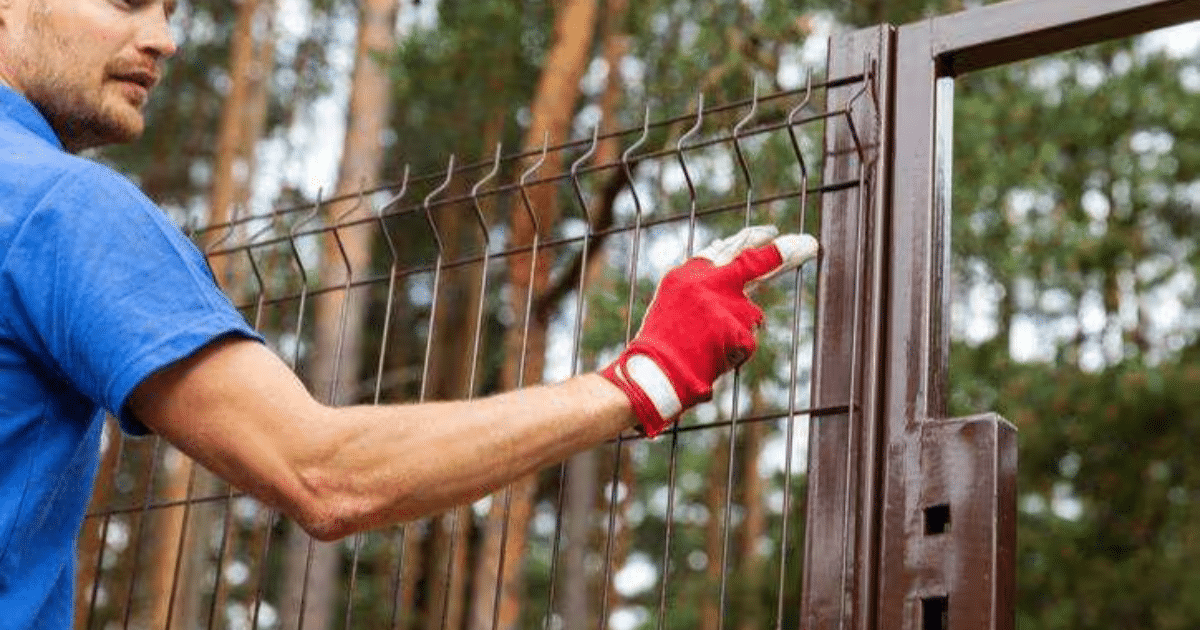
Many homeowners want a balance between privacy and everyday convenience, which is why fence gate installation often becomes an important part of improving a property. A properly installed gate strengthens security while still allowing movement in and out without friction, making the space feel protected but not closed off. Whether you prefer the clean, modern feel of an automatic gate or the dependable strength of a well-built manual option, the purpose remains consistent to create a clear, reliable entry point that supports how you live.
To keep that entry working the way it should, long-term gate maintenance and timely gate repair play a major role in protecting both function and safety. Gates deal with constant use and changing weather, so small issues can turn into bigger ones if ignored, especially when alignment, hardware, or opening systems start to wear down and begin to affect performance. Your gate remains secure, smooth to operate, and dependable over time when it is supported by regular upkeep and followed by professional gate repair as soon as problems appear.
Fence Gate Installation in Illinois: Privacy and Property Functionality
Fence gate installation is about more than adding a secure entry point, because it also shapes how your property looks and functions day to day. Choosing a gate that fits your yard and complements your fence can enhance curb appeal and strengthen the home’s overall feel, especially when the design matches how you actually use the space. In Illinois, where seasonal shifts bring everything from humid summers to icy winters, performance matters just as much as appearance, which is why a sturdy gate installation built for local conditions makes a real difference.
Gate posts are a quiet but essential part of that durability, since the gate can only stay aligned and dependable when its foundation is set correctly. A well-executed setup helps the gate move smoothly from the start and reduces the chance of problems developing later, particularly when weather and daily use put steady pressure on the structure. As you narrow down a design, it helps to weigh the level of privacy you want alongside the way homes are arranged in your neighborhood, so the gate feels like a natural extension of your property rather than an add-on.
If you want a deeper look at how the right gate can protect your space while making everyday access easier, don’t miss our guide, “From Privacy to Convenience: The Benefits of Quality Fence Gate Installation.”
Privacy Goals That Shape Fence Gate Installation Decisions
Privacy tends to guide almost every choice involved in fence gate installation, because the gate is often the feature that most clearly defines the boundary of a home. For many homeowners, it creates a stronger sense of personal space and safety, offering peace of mind while still keeping the property welcoming. The privacy level you’re aiming for will influence the gate’s height, style, and material, which is why solid panel options appeal to those who want maximum screening, while more open designs work well for homeowners who prefer a lighter, decorative look without fully closing off visibility.
Even with privacy as the priority, security still needs to stay in focus, since the right materials and construction determine how well a gate holds up in everyday conditions. Illinois weather can be rough on exterior structures, so a gate that looks great at installation should also be able to handle moisture, temperature swings, and repeated use without losing its strength or shape. When privacy goals are clear from the start, it becomes easier to choose a gate that supports them while still fitting the home’s look and protecting the property in a practical way.
How Neighborhood Layout Affects Gate Installation Outcomes
The layout of your neighborhood and the physical shape of your property can strongly affect which gate installation makes the most sense. In tighter spaces or busy residential areas, sliding gates are often a smart fit, since they move along the fence line and avoid the clearance swing gates require. That design can be especially useful for shorter driveways or entrances where slopes and limited space make outward movement less practical.
When a property has more room to work with, double swing gates often feel like a natural choice, creating a wider entry that suits larger yards and longer driveways. The surrounding homes also matter, because matching the style and scale of nearby properties helps your gate blend in rather than stand out awkwardly. Whatever direction you choose, the installation needs to suit the specific gate system, since manual gates and automatic gates with gate openers rely on different hardware and alignment requirements, which is why proper setup and continued care are essential for keeping any design working smoothly over time.
Fence Gate Installation Near Me: What Homeowners Expect From Local Setups
When homeowners search for “fence gate installation near me,” they are usually looking for more than someone who can simply attach a gate to a fence. What they want is a local setup that feels seamless to deal with, fits the property correctly, and improves security without disrupting everyday routines. A smooth gate installation should add protection and polish at the same time, especially when the design supports how the home is used. For many Illinois households, that expectation now includes automatic entry, because gate openers offer a clean, modern feel while making access easier for daily arrivals and departures.
Just as important as the installation itself is knowing that reliable gate repair is available nearby when the system needs attention. That kind of local support adds peace of mind, since a gate only protects a home when it stays dependable through changing weather and repeated use. Over time, a well-installed gate paired with consistent gate maintenance helps the property stay secure and functional, while also supporting long-term value in a way that feels practical rather than cosmetic.
For a fuller picture of how the right gate setup connects everyday convenience with real protection, take a moment to read “Why Fence Gate Installation Is the Missing Link Between Safety and Ease.”
Common Access Priorities in Fence Gate Installation Near Me Searches
For most homeowners considering gate installation, access control sits at the center of the decision, because being able to manage who enters the property is tied directly to safety and comfort. Modern gate openers and entry systems are designed to make daily movement smoother while reinforcing boundaries, which is why people often look for setups that match the pace of their household. Instead of wanting more features for the sake of it, homeowners typically prefer access tools that feel natural to use, such as:
- Remote controls that allow opening the gate without leaving the vehicle
- Keypad entry systems that provide access for trusted visitors
- Smartphone-based control that supports monitoring and operation from a distance
When those systems stop working as expected, security and convenience can drop at the same time, which is why gate repair becomes necessary. Issues like opener motor failure, blocked or misreading sensors, and electrical faults are among the most common reasons homeowners request service, since they interrupt normal entry and can signal deeper strain inside the mechanism.
Matching Fence Gate Installation to Daily Traffic Flow
Daily traffic through a gate matters more than many homeowners realize, since the right fence gate installation should fit the rhythm of the household rather than force the household to adapt to it. In a busy home with frequent vehicles or deliveries, automated entry often becomes the practical choice because a gate opener reduces constant manual handling and keeps movement efficient without sacrificing control. The goal is not only to make access faster, but also to limit stress on the gate system by aligning its function with how often it is used.
Choosing the gate style with traffic flow in mind is part of that same equation. Double swing gates can create an impressive entrance, but they may feel less convenient when quick, repeated access is needed throughout the day, while sliding gates or single swing designs often suit tighter schedules and narrower spaces. If an automatic gate begins moving more slowly than before, starts making unfamiliar sounds, or struggles to open and close properly, those changes usually point to mechanical or alignment problems that require professional gate repair and ongoing gate maintenance. Addressing those issues early helps restore smooth operation and keeps the gate reliable for the long term, which is exactly what homeowners expect when they invest in a local installation.
Gate Openers and Entry Systems: Expanding Convenience at Home
Adding a gate opener to an entryway changes the way a home feels and functions, because access becomes smoother and more consistent throughout the day. With an automatic system, the gate opens and closes through a simple control instead of physical effort, which matters most when schedules are tight or the weather makes stepping outside the car a hassle. What used to be a heavy, repetitive task becomes a quiet background action, letting the gate do its job without demanding extra time or energy from the homeowner.
Power options have also expanded beyond standard electrical setups, since many automatic gate openers now operate through battery-supported systems that can be charged in different ways, including solar-supported configurations. That flexibility helps keep gates working even when conditions are unpredictable, while giving homeowners more control over how their entry system stays powered. As gate technology has improved, these systems have become easier to live with and more dependable for daily use, which is why automatic entry is now seen less as a luxury feature and more as a practical upgrade.
If you’d like to explore how all these pieces work together over time, check out “Fence Gate Installation for Long-Term Convenience: Gate Openers, Repair, and Maintenance Explained.”
Gate Openers vs. Manual Entry in Modern Residential Use
Deciding between a manual gate and an automatic gate opener usually comes down to how strongly convenience factors into everyday entry. Automatic gate openers deliver access with minimal effort, allowing you to open and close the gate without leaving your vehicle, which is especially useful during bad weather or busy routines. Manual gates rely on physical operation and traditional latching, which some homeowners prefer for their straightforward setup and fewer mechanical components.
Even so, modern automatic systems are built for real-world use and often include backup operation modes that allow the gate to be moved when needed. While they may require gate repair over time as motors, sensors, or alignment parts wear down, many households still consider automation worthwhile because of how smoothly it supports daily access. In practice, manual gates represent simplicity, while automatic gate openers offer speed, comfort, and tighter entry control.

Access Control Features That Influence Gate Opener Choices
The access control features tied to a gate opener often shape the experience as much as the operator itself, since they determine how entry is managed on a daily basis. Some systems stay simple, using a remote for quick opening and closing, while others extend control through connected access tools that make monitoring and decision-making easier. The result is a setup that feels tailored to how a household moves, rather than a one-size approach to security.
Common control and safety features in modern gate openers include:
- Obstacle detection sensors that stop or reverse movement when something is in the path
- Remote-based access that allows entry from a distance through secure signaling
- Smartphone-connected controls that support checking the gate status and operating it remotely
- Keypad entry that provides code-based access for approved guests or family members
Together, these features add layers of convenience and control, while reinforcing the privacy and security homeowners expect from automated entry after a proper gate installation. When the opener and access system work in sync, the gate becomes a reliable part of everyday life, serving both protection and ease without feeling like a complication.
Gate Repair and Gate Maintenance After Installation: Staying Secure Over Time
Once your gate is installed, its long-term performance depends less on the day it went up and more on how consistently it’s supported afterward. Every gate experiences wear through daily use and seasonal exposure, and when small issues are left unresolved, they can slowly turn into malfunctions that weaken security and interrupt access. Gate maintenance helps prevent early problems from becoming larger failures, which is why paying attention to changes in movement, sound, or stability matters as the years go on.
When something feels off, whether the gate begins to drag, sounds different than it used to, or shows visible strain, professional gate repair becomes the smartest way to protect the system you invested in. Addressing problems early supports the lifespan of the gate and the parts that keep it operating smoothly, especially when those parts are under constant pressure from weather and repeated opening cycles. Your gate stays reliable and secure over time when upkeep is treated as part of ownership rather than a reaction to failure.
Wear Patterns That Lead to Gate Repair Needs
All gates, manual or automatic, develop predictable wear patterns that show up through movement changes and hardware stress, especially when they’re used daily in shifting weather. Misalignment is one of the most common reasons homeowners call for gate repair, since hinges can loosen or settle over time, and the ground around posts can shift, causing the gate to sag or resist clean opening and closing. As that strain increases, the hardware carries more weight than it should, which can also affect how an opener functions when automation is involved.
Hardware fatigue is another frequent concern because metal components can weaken as rust or corrosion sets in, while rollers, tracks, and latching points gradually wear down from friction and repeated impact, which is why understanding the role of lubrication and surface wear matters, as outlined by STLE. In automatic systems, that same wear often shows up through motor strain or sensor failure after long cycles of use or interruptions that disrupt smooth operation, creating small performance changes that can grow into bigger faults when left unchecked. Over time, a sagging gate can strain posts, and a struggling motor can fail completely, leaving the entry unreliable and less secure as the system absorbs stress it was never designed to carry.
Ongoing Gate Maintenance Factors That Protect Performance
To avoid repeated gate problems, regular maintenance services matter because they do more than give the gate a quick look; they keep the system operating smoothly and help it last longer, especially when Illinois weather puts extra strain on moving parts. Without lubrication, hinges, wheels, and chains can start to grind and wear faster than they should, so routine upkeep reduces friction and prevents unnecessary stress on the hardware over time. A professional maintenance visit typically includes tightening bolts and screws that loosen with use, testing and realigning safety sensors and other electrical components, checking for rust or corrosion and treating it before it spreads, and reviewing the gate’s alignment and frame so sagging or leaning is caught early rather than after damage sets in. When these issues are identified and addressed right away, the gate stays durable and dependable, which is what gives homeowners long-term peace of mind as daily access remains secure and consistent.
Installing a fence gate the right way improves privacy while making everyday in-and-out movement on your property feel simpler and more dependable, especially when the design fits both your neighborhood layout and how your household uses the entry. When you weigh details like space, traffic flow, and the level of visibility you want, it becomes easier to choose a gate that supports your lifestyle rather than complicating it. Adding gate openers or entry systems can extend that convenience even further, since access becomes quicker without sacrificing control or security. Over time, your gate continues to perform at its best when regular gate maintenance is paired with timely gate repair as soon as wear shows up, which helps protect the system and keeps your entry working smoothly for years.
For homeowners who want that balance of privacy, security, and hassle-free access done right from the start, EDM Garage Doors, LLC is a trusted local choice for fence gate installation, gate openers, and dependable repair support. Our team focuses on clean, durable setups that fit how your property works today while staying reliable over the long run, so your gate feels like a true upgrade instead of another thing to worry about. Contact us today or give us a call to schedule your fence gate installation and get a smoother, more secure entry you can count on.
Frequently Asked Questions
Do fence gate installation and gate repair services cover both manual gates and automatic gate openers?
Yes, most fence gate installation and gate repair services work with both manual gates and automatic gate openers, since the core goal is the same: restoring safe, reliable entry, no matter how the gate operates. Professionals are trained to handle everything from worn hinges and latches on manual gates to motor, sensor, or control issues on automated systems, which means the service stays consistent even though the mechanics differ. Whether your gate relies on a simple latch or a powered opener, the right provider can diagnose the issue and return the system to smooth, secure operation without guesswork.
What does professional gate maintenance usually include for automatic gate openers?
Professional gate maintenance for automatic gate openers focuses on keeping the system balanced, responsive, and safe under daily use, which involves checking the moving components and the automation controls together. A technician typically inspects wear points, confirms that sensors and controls respond correctly, and verifies that the gate remains aligned so the opener is not forced to carry uneven strain. By maintaining both the mechanical flow and the electronic responsiveness, the system continues operating consistently while avoiding the kind of gradual stress that leads to unexpected breakdowns.
What should Illinois homeowners know before scheduling fence gate installation near me?
Before scheduling fence gate installation near me in Illinois, homeowners should keep in mind that local weather and property layout shape how well a gate will hold up and function over time. Freeze-thaw cycles, wind, and summer moisture can place pressure on posts and hardware, so the installation needs to be planned with durability in mind, especially if the gate will see frequent use. When conditions, security needs, and access habits are considered early, the installation is more likely to feel seamless and remain dependable as seasons change.
What are the most common issues that lead to residential gate repair requests?
Residential gate repair is most often requested when gates stop moving cleanly, which usually shows up as sagging, sticking, dragging, or uneven closing. In automatic setups, homeowners frequently notice issues tied to the opener system, such as motors struggling under load or sensors failing to read correctly, which can interrupt access and weaken security at the same time. Whether the cause is structural wear, hardware fatigue, or opener malfunction, these problems tend to affect both safety and convenience once they reach the point of visible disruption.
How can poor gate installation contribute to long-term gate repair concerns?
Poor gate installation can create long-term gate repair issues because even small alignment errors or post-setting mistakes tend to compound under daily use and shifting weather. When the foundation is weak, the gate begins to sag and drift out of line, often because the supporting posts are not set correctly, which is why stable, well-placed supports such as those described by Wikipedia matter so much from the start. As that sagging continues, extra strain builds on hinges, latches, and gate openers in ways they were never meant to handle, which slowly shortens component life and increases how often repairs are needed, especially when the gate is used frequently. In the long run, proper installation becomes the difference between a gate that stays smooth and secure for years and one that turns into a recurring problem.
Are gate openers for automatic gates safe for everyday residential use?
Modern gate openers are designed with residential safety in mind, which is why they include features that help prevent accidental contact and reduce unauthorized access. Obstacle detection systems stop or reverse movement when something is in the gate’s path, while secure control signals help ensure that only approved users can operate the opener. When installed and maintained correctly, gate openers provide a safe, reliable way to manage entry without adding risk to daily use.
Why do some automatic gates with gate openers become noisy over time?
Automatic gates with gate openers often become noisy when friction builds in the moving points, especially as hardware loosens or wear develops through repeated cycles. Hinges, rollers, chains, or tracks can begin to resist smooth motion if they are strained by misalignment or age, which causes squeaking, grinding, or uneven travel. In some cases, the opener itself may sound louder as it works harder against that resistance, which is why noise is usually a signal that the system is no longer moving as freely as it should.
How long do batteries typically last in residential gate openers?
Batteries in residential gate openers commonly last several years, though the exact lifespan depends on how often the gate cycles, how heavy the gate is, and how stable the charging source remains through different seasons. Homes with high daily traffic or gates that place a greater load on the opener may see batteries reach the end of their useful life sooner than lighter, lower-use systems. While the timeline varies, battery performance tends to decline gradually, so replacement is usually prompted by reduced hold time rather than sudden failure.
Do solar-powered gate openers perform well for Illinois homes after gate installation?
Solar-powered gate openers can perform well in Illinois after gate installation, especially when the system is designed to store enough reserve power for cloudy stretches and winter light conditions. Because solar technology continues to improve in efficiency, many homeowners find that these openers remain dependable through seasonal variation while still supporting consistent access. When solar power is paired with a reliable storage setup, the gate stays functional even during outages, which makes it a practical option for properties looking for steady automated entry.
When is gate maintenance needed after fence gate installation to keep entry smooth?
Gate maintenance is typically needed on an ongoing basis after fence gate installation, since daily use and seasonal exposure slowly affect alignment, hardware tension, and opener performance. Even when a gate feels fine at first, gradual wear can begin showing up through subtle changes in movement or sound, which is why maintenance matters most before problems become disruptive. By keeping the system checked and supported over time, homeowners preserve smooth entry and reduce the chance of repair being required unexpectedly.