

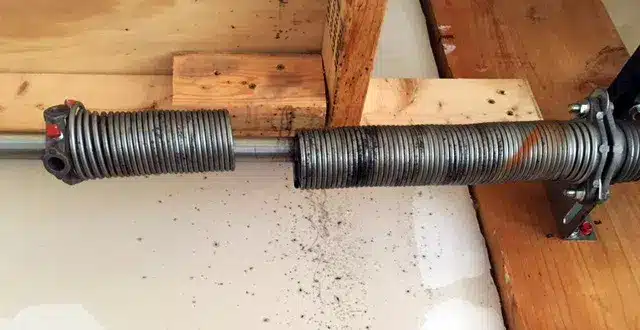
Garage door springs are essential components that allow the garage door to move up and down smoothly and safely. Spring issues are one of the most common reasons garage doors stop working properly and turn into safety hazards. Regular garage door maintenance helps identify early signs of wear before a spring fails completely. When a spring stops functioning, the door can become extremely heavy and unstable, creating a risk of injury or sudden failure.
A damaged spring can trap your vehicle inside the garage or make the door unsafe to operate. Paying attention to warning signs such as unusual noises, uneven movement, or difficulty opening the door allows you to act before the problem escalates. Scheduling professional garage door repair as soon as issues appear helps restore safe operation and keeps your home or business secure and accessible.
The Importance of Garage Door Springs
The two main types of garage door springs, torsion and extension springs, are designed to support the full weight of the door. They make the door feel lighter, so you can lift it by hand or with a garage door opener. These strong springs store energy to help the door move up and down safely and reliably. Without working springs, the full weight of the door presses down, putting stress on your opener and your own effort.
A broken spring puts the entire garage door system at risk. The biggest danger is that the door could suddenly fall, which can cause serious injury or damage. Using a door with a broken spring can also harm the opener, warp the panels, and bend the tracks, often leading to more expensive repairs.
Understand how quickly a broken garage door spring can turn into a serious problem if repairs are delayed by reading: How Urgent Is It to Fix a Broken Garage Door Spring?
Functionality and Role of Springs in Safe Door Operation
The main job of garage door springs is to make the heavy door feel light. This allows you to lift or lower the garage door smoothly every time. There are two main types: torsion springs, which twist and store power, and extension springs, which stretch and pull. Despite their differences, both perform the same function—they provide the lift your garage door needs. The balance these springs create prevents the door from dropping quickly or slamming shut, allowing you to raise or lower it in a controlled manner.
These components operate under high tension, which is why they are so effective. However, that same tension can be very dangerous if handled incorrectly. Attempting a door spring replacement without proper knowledge can cause the stored energy in the spring to release suddenly, creating a serious safety hazard. This is why every spring issue should be taken seriously.
Replacing a garage door spring or working with extension springs without the proper tools is risky. Professionally trained technicians use specialized equipment, such as winding bars, to carefully release or increase spring tension. They install new springs correctly so the garage door continues to function safely and efficiently, protecting both the door and those using it.
See the potential damage, safety risks, and performance issues that can occur when a broken garage door spring is ignored by reading: What to Expect If a Broken Garage Door Spring Is Ignored.
Common Causes of Garage Door Spring Failure
One major reason a garage door spring breaks is simple wear and tear over time. Each time you use your garage door, the spring loses a bit of its strength. After thousands of cycles, the metal can become fatigued and break suddenly, which is when emergency garage door service is needed. Catching the first signs of wear can help prevent a spring from breaking without warning.
Garage door springs can also develop problems for other reasons. Improper installation or harsh weather conditions can cause springs to wear out more quickly, potentially leading to more costly garage door repairs. Being aware of these issues allows you to keep your garage door in good working order, ensuring both safety and long-term savings on maintenance and repairs.
Know why addressing a broken garage door spring promptly helps protect your home, safety, and garage door system by reading: Why Broken Garage Door Springs Should Be Addressed Promptly.
Wear and Tear from Frequent Usage Over Time
Every time you use your garage door, the springs go through one full cycle. These springs, like torsion springs and extension springs, are made to last for a set number of cycles. For most, this is between 10,000 and 15,000 cycles. If your garage door gets frequent use, you might reach this point sooner than you think. This means the garage door springs will not last forever. Using them frequently puts pressure on the steel coils, and over time, the door’s springs weaken.
Metal fatigue is the most common reason a garage door spring breaks. When it happens, it often catches people off guard, as it can make a loud noise and stop working immediately. This does not mean the garage door spring or any part was defective; it is simply what occurs when the spring has reached the end of its life. The lifespan of your springs depends on the weight of your garage door and how frequently you open and close it.
After many cycles of increasing and releasing tension, the steel in garage door springs may crack without warning. If you wait too long to replace a spring once you notice it is aging, your garage door is more likely to fail suddenly. This can also increase the risk of further damage to the entire garage door system.
Improper Installation and Balancing Issues
The right garage door springs must match your door’s weight and size for a proper installation. Choosing the wrong type or size can cause the door to become unbalanced, leading to uneven movement. It can also put excessive stress on the springs and the opener, causing the springs to wear out much faster.
Replacing garage door springs requires proper knowledge and the correct tools to ensure the system is installed correctly. Professional technicians know how to set the appropriate tension for your garage door springs, which allows the door to operate smoothly and safely. Proper installation also prevents one spring from bearing too much stress, extending the life of the door.
If a spring is installed incorrectly or if you do not use professional technicians, one spring may end up doing more work than the other. This imbalance causes the spring to wear out faster, and your garage door may not function properly.
Learn more about federal safety standards that apply when broken garage door springs impact automatic operator performance by reviewing regulations from the Electronic Code of Federal Regulations.
Impact of Environmental Factors
The weather can significantly affect how well a garage door functions and how long it lasts. This applies to both residential and commercial garage doors. Factors such as heat, cold, rain, and high humidity can all cause problems. For example, torsion springs may become brittle and snap, while extension springs can stretch or become overstressed.
Regular maintenance can help prevent these issues. Neglecting your garage door can lead to more serious damage and costly repairs over time. Understanding how the weather impacts your garage door is essential.
It’s best to rely on a professional for garage door repairs or installation. Their expertise ensures your garage door remains safe and operates correctly.
Immediate Safety Concerns When a Garage Door Spring Fails
When you notice a broken spring, the top priority is safety. A garage door with a broken spring can pose serious risks immediately. First, keep everyone away from the area around the garage. Do not let anyone attempt to use the door, neither by hand nor with the opener. Without the spring, the door is not properly supported and can fall quickly, causing serious injury or damage.
Never try to lift the door or repair the spring yourself. Call a professional emergency garage door service immediately. Trained technicians know how to handle these situations safely and can repair the door without putting anyone at risk. When a garage door part breaks, the safest course of action is always to seek professional help.
There is irreversible damage associated with DIY repairs. Make sure you entrust these problems to a qualified professional.
Get to know the residential codes related to garage doors to ensure compliance by visiting the International Code Council.
Risks Associated With Operating a Door After Spring Damage
Attempting to use a broken garage door significantly increases the risk of accidents and can lead to a cascade of expensive mechanical failures. Without the spring’s lifting power, the garage door opener is forced to lift the entire weight of the door, a task it was never designed to perform. This immense strain can quickly burn out the opener’s motor and strip its gears, turning a single repair into a much larger problem.
The most critical risk is the door falling uncontrollably, as the safety mechanisms may not be sufficient to support its full weight. This poses a grave threat to any object or individual in its path. An emergency repair is essential because the components are under high tension and require proper training to handle safely.
Professional Solutions for Emergency Garage Door Spring Repair
Attempting an emergency garage door spring repair yourself is not safe. You should always call someone for professional help for jobs like this. A garage door technician knows what to do and has the proper tools for the repair process. They can work with the large amount of tension in garage door springs and use things like winding bars and clamps. This helps keep you safe and stops a spring from snapping out by accident, which could be very dangerous.
When you request a garage door spring replacement, you receive a technician who can select the appropriate new spring for your door. This fit is important for maintaining your garage door’s smooth operation and avoiding extra wear on other parts of residential or commercial garage doors. Trusting an expert eliminates guesswork and prevents further damage or injury.
Expert Garage Door Spring Professionals
Understanding why garage door springs are important is key to both safety and proper door operation. A broken spring can create serious safety risks, which is why it’s important to recognize the signs that indicate you need immediate garage door spring repair. Addressing issues such as wear and tear, improper installation, and weather-related effects can also help your garage door last longer and perform better.
In the event of a garage door spring emergency, always seek help from experts who understand your garage door system and can handle your specific needs safely. For more tips and answers about spring maintenance and safety, visit our Frequently Asked Questions section.
EDM Garage Doors, LLC delivers expert garage door services focused on performance, safety, and reliability. Garage doors experience constant use and naturally require maintenance or repair over time. Skilled service helps identify issues early and restore dependable operation. Every project is handled with a commitment to quality and customer satisfaction.
Contact us today or give us a call for trusted garage door services in the Chicagoland area.
Frequently Asked Questions
How does spring failure affect overall garage door safety?
Spring failure removes the controlled counterbalance that keeps the garage door stable during normal opening and closing cycles. We find this instability greatly increases the risk of sudden drops, uncontrolled movement, or unexpected door failure. Safety concerns escalate quickly when the door no longer moves in a predictable, supported manner.
Why does a broken spring make the garage door dangerous to operate?
A broken spring forces the garage door to rely entirely on gravity and mechanical force rather than balanced tension. We see that this can cause the door to slam shut or resist opening without warning. These unpredictable movements create serious risks for people, pets, vehicles, and nearby property.
How does spring failure impact garage door performance?
When a spring fails, the garage door loses the smooth, effortless movement it was designed to have. We observe that doors may hesitate, jerk, stop midway, or refuse to open entirely. Performance becomes unreliable because the system is no longer properly balanced.
Why does the garage door suddenly feel extremely heavy after spring failure?
Garage door springs are designed to offset most of the door’s weight during operation. When a spring breaks, that weight is no longer supported in any controlled way. We find the door immediately feels like dead weight and becomes unsafe to lift manually.
How does spring failure strain the garage door opener?
Without spring support, the opener is forced to lift far more weight than it was designed to handle. We see that this extra strain can cause overheating, gear damage, or complete opener failure. Door performance suffers as the opener struggles to compensate.
Why does spring failure cause uneven or crooked door movement?
Springs help keep tension balanced across both sides of the garage door system. When one fails, the door often lifts unevenly or shifts out of alignment. We find this uneven movement increases wear and raises the likelihood of additional component damage.
How does spring failure affect stopping and starting during operation?
A properly functioning spring allows smooth acceleration and controlled stopping. Without it, the door may start abruptly or stop suddenly during movement. We observe that this rough operation signals serious performance and safety concerns.
Why does spring failure increase the risk of secondary damage?
Once the spring fails, other components are forced to absorb loads they were never designed to manage. We see added stress placed on cables, rollers, tracks, and hinges almost immediately. This cascading strain reduces overall system reliability.
How does spring failure compromise long-term door reliability?
Operating a garage door without proper spring support accelerates wear throughout the system. We find that continued use often shortens the lifespan of multiple components. Reliability declines rapidly when balance is not restored promptly.
Why is restoring spring function critical for safe daily use?
Proper spring function ensures the garage door moves smoothly, predictably, and safely during every cycle. We believe restoring balance protects both performance and personal safety. Safe daily use depends on controlled movement and properly supported door weight.